How to Start a Print-on-Demand Business in 2026
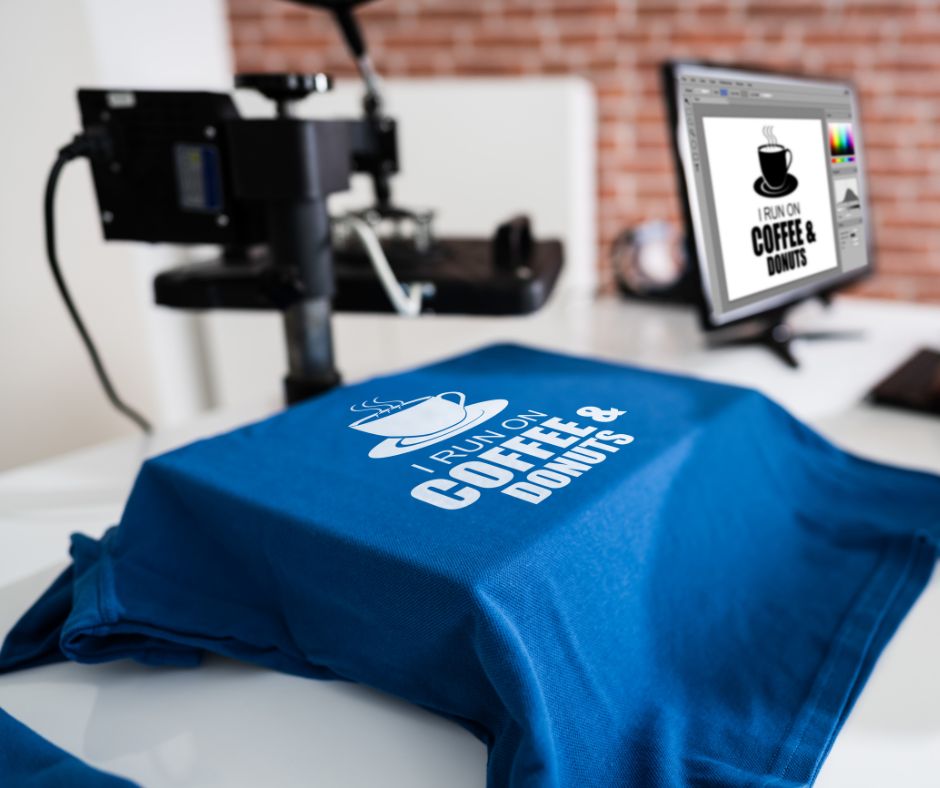
Imagine running an online shop that sells custom products — t-shirts, mugs, tote bags, phone cases — without ever buying stock, managing inventory, or packing a single order. Moreover, imagine that every time someone buys from your shop, the product is automatically printed and shipped directly to them. That is exactly what a print-on-demand business looks like in 2026.
Because the entire production and fulfillment process is handled by your print partner — platforms like Printify or Printful — your only jobs are creating designs and listing products. Furthermore, both platforms are free to join. So your startup cost is genuinely close to zero, making print-on-demand one of the most accessible online business models available to beginners right now.
This guide walks you through every step of building a POD business from scratch. Moreover, by the end of this article, you will have a clear action plan and the confidence to get your first product live today.
What Is Print-on-Demand and How Does It Work?
Print-on-demand is a business model where you sell custom-designed products without holding any inventory. Because products are only printed when a customer places an order, there is no upfront manufacturing cost and no risk of unsold stock. Moreover, the fulfillment workflow is entirely automated.
Your profit is the difference between what your customer pays and what the POD platform charges as the base production cost. Furthermore, you set your own retail prices. So the more thoughtfully you price your products, the higher your margins. Because base costs typically range from $7 to $20 depending on the product, retail prices of $20 to $45 are common and generate meaningful income per sale.
Step 1: Choose Your Print-on-Demand Platform
Your first decision is which POD platform to use. Moreover, this choice affects your product selection, pricing flexibility, and quality consistency. Because two platforms dominate the market in 2026, understanding their key differences helps you start on the right foot.
Printify — Best for Beginners and Variety
Printify is a marketplace of over 90 independent print providers worldwide. Because of this, it offers a product catalog of over 900 items — the largest in the industry. Moreover, price competition between providers generally results in lower base costs than single-provider platforms. Furthermore, Printify’s free plan is genuinely comprehensive, covering unlimited product designs and connections to up to five stores.
However, quality can vary between providers. So ordering physical samples before listing any product is essential. Because this sample step catches quality issues before customers experience them, it is non-negotiable for any serious POD seller.
Printful — Best for Quality Consistency and Branding
Printful operates its own production facilities in the USA, Europe, and Mexico. Because of this, quality is notably more consistent across all orders — what you see in the mockup is very close to what your customer receives. Moreover, Printful’s branding options — custom neck labels, branded packaging, inside label printing — are significantly more developed than most competitors. Furthermore, Printful has no monthly fees and no minimum order requirements.
Because Printful’s base costs are generally higher than Printify’s most competitive providers, your retail prices need to be set accordingly. However, for sellers who prioritize quality and brand experience over margin optimization, Printful is an excellent choice.
| 🚀 Take Action: Sign up for Printify and Printful today — both are completely free. Moreover, creating accounts on both platforms lets you compare their product catalogs and quality firsthand before committing to one. Because sampling is the only way to truly evaluate print quality, order your first test products this week. |
Step 2: Choose Your Niche and Products
The single most important decision in your POD business is choosing a niche. Because broad, generic designs compete with thousands of established sellers, niche-specific designs that speak to a particular community, identity, or interest consistently outperform generic alternatives. Moreover, niche shops rank better in Etsy search results because Etsy’s algorithm rewards topical consistency.
Profitable POD Niches in 2026
- Profession-specific designs — teachers, nurses, veterinarians, firefighters, social workers. Because professionals have strong identity connections to their careers, these niches generate consistent, year-round sales.
- Pet breed communities — dog and cat breed-specific designs are among Etsy’s most passionate buyer segments. Moreover, pet owners purchase at above-average price points and return regularly for gift occasions.
- Hobby communities — gardeners, hikers, readers, gamers, knitters, coffee lovers. Because hobby-focused buyers self-identify strongly, niche products that speak their language convert powerfully.
- Relationship roles — mom, dad, grandma, grandpa, best friend, dog mom. Furthermore, these niches have enormous gifting potential and perform especially well during holidays and special occasions.
- Humor and relatable statements — funny designs within specific niches consistently outperform generic motivational quotes. Because specificity makes humor more resonant, a funny introverted cat owner mug outperforms a generic ‘coffee is my love language’ design.
Best Products to Start With
- Classic t-shirts and hoodies — the foundation of most successful POD businesses. Moreover, they photograph beautifully in lifestyle mockups.
- Mugs — low base cost, high perceived gift value, consistent year-round demand. Furthermore, they are among Etsy’s most purchased gift items.
- Tote bags — strong niche community appeal, particularly in bookish, environmental, and identity-focused niches.
- Throw pillows and wall art — higher price points with strong home decor appeal. Because home purchases are emotionally driven, these categories have strong repeat buyer potential.
Step 3: Create Your Designs
Your designs are the heart of your POD business. Moreover, they do not need to be complex to sell well. Because the most successful POD designs are often simple text-based concepts, design skill matters far less than niche insight and emotional relevance.
Free Design Tools
Canva is the most accessible design tool for POD beginners. Because it is free, browser-based, and includes thousands of fonts, graphics, and layout templates, you can create professional-looking designs without any prior design experience. Moreover, Canva’s free tier is entirely sufficient for creating your first collection of POD designs.
Furthermore, if you want to incorporate unique graphic elements, AI image generators like Midjourney can produce custom artwork that elevates your designs beyond what template-based tools create. However, always verify the commercial usage rights of AI-generated content within the tool’s terms of service before using it on products for sale.
Design Best Practices
- Start with text-based designs — they require no illustration skills and can be created in Canva in under 30 minutes
- Use high-resolution files — most POD platforms require 300 DPI for print-quality output. Moreover, Canva Pro exports at full resolution for commercial printing.
- Follow platform color guidelines — because what looks bright on screen sometimes prints differently, stick to CMYK-safe colors and check your platform’s color profile recommendations
- Create designs in PNG format with transparent backgrounds — because transparent backgrounds allow your design to work across multiple product colors
| 🖼️ Mockup Tip: Use Envato Placeit to create professional lifestyle mockups once your designs are ready. Because Etsy listings with on-model lifestyle images consistently convert better than flat product mockups, investing in quality visuals directly increases your sales. Moreover, Placeit integrates directly with Printify and Printful. |
Step 4: Choose Your Sales Platform
Where you sell your products determines how buyers find them. Moreover, the two most popular platforms for POD sellers in 2026 are Etsy and Shopify — each with distinct advantages.
Etsy — Best for Organic Discovery
Etsy has over 90 million active buyers searching specifically for unique, handmade, and custom products. Because this audience is pre-qualified and highly purchase-ready, Etsy delivers organic traffic that a standalone Shopify store cannot match without significant advertising spend. Moreover, Etsy’s listing fee is just $0.20 per product — making it the most affordable way to get your first products live.
Furthermore, Etsy’s integration with both Printify and Printful is seamless. Because orders placed on your Etsy shop are automatically forwarded to your POD platform, you rarely need to intervene in the fulfillment process manually. So Etsy is almost universally the recommended starting platform for new POD sellers.
Shopify — Best for Brand Control and Scaling
Shopify gives you complete control over your storefront, your customer data, and your brand experience. Moreover, because Shopify integrates natively with both Printify and Syncee, it supports both print-on-demand and traditional dropshipping from a single platform. Furthermore, Shopify’s advertising infrastructure — particularly Facebook Ads, Google Shopping, and TikTok Ads integrations — makes scaling a successful product far more straightforward than on Etsy.
| 🚀 Take Action: Open your Etsy shop today — it takes less than an hour and costs nothing until your first sale. Moreover, once your shop is live, connect it to Printify using the direct integration in your Printify dashboard. Because both steps are free, you can have your first product listed on Etsy today with zero upfront investment. |
Step 5: Create Your Product Listings
Your listings are where your POD business wins or loses in search. Because Etsy functions as a search engine, the quality of your titles, tags, and descriptions directly determines whether buyers find your products. Moreover, a well-optimized listing can outrank hundreds of competitors and generate consistent daily sales from organic search traffic alone.
Etsy Listing Optimization
- Title: 120 to 140 characters, beginning with your primary keyword. Because Etsy’s algorithm weighs the first words of your title most heavily, lead with your most important search term.
- Tags: Use all 13 available tag slots. Moreover, vary your tags to cover different search intents — product type, occasion, recipient, style, and niche are all valid tag dimensions.
- Description: Open with a compelling 160-character summary because that is what Etsy shows in search results. Furthermore, include your keyword naturally within the first sentence.
- Photos: Use all 10 image slots. Because Etsy is primarily a visual experience, strong product photography is your single most powerful conversion tool.
- Price: Calculate base cost plus Etsy’s 6.5% transaction fee, $0.20 listing fee, and payment processing fee, then add your desired profit margin. So every listing is profitable from the first sale.
Step 6: Promote Your Shop
Because new Etsy shops lack the sales history and review count that boost search rankings, proactive early promotion is essential. Moreover, the strategies below generate meaningful traffic before your organic rankings develop.
Pinterest — Your Best Free Traffic Source
Pinterest is the most powerful free traffic driver for Etsy POD shops. Because Pinterest users search for gift ideas, home decor, and fashion products — exactly what POD shops sell — the audience alignment is near perfect. Moreover, pins link directly to your Etsy listings and continue generating traffic long after you post them. So create two to four pins per product at launch and pin consistently thereafter.
TikTok Product Showcase Videos
Short TikTok videos showcasing your products — particularly themed collections like ‘gift ideas for dog moms’ or ‘the funniest teacher mugs on Etsy’ — can reach enormous audiences without any advertising spend. Because CapCut makes creating these videos fast and free, adding TikTok to your promotion strategy costs nothing but time.
| 🚀 Take Action: Download CapCut for free today and create your first product showcase video. Because a single viral TikTok can drive hundreds of Etsy shop visits overnight, this zero-cost channel deserves to be part of your early promotion strategy from day one. Moreover, CapCut’s templates make producing polished content genuinely fast — even for complete beginners. |
Realistic Expectations: What Does Month 1 to 6 Look Like?
Honesty matters here. Because building a profitable POD business takes several months, realistic expectations from the start prevent the discouragement that causes most beginners to quit too early.
| Realistic POD Timeline: Month 1: Shop setup, first 10–20 listings live, Pinterest account started. Income: $0–$50 Month 2–3: Growing listing catalog (30–50 products), Pinterest gaining traction, Etsy algorithm starting to notice. Income: $50–$300 Month 4–6: Established shop authority, consistent Etsy search traffic, repeat buyers emerging. Income: $300–$1,500+ Month 6–12: Strong niche authority, optimized bestsellers, email list growing. Income: $1,000–$5,000+/month Because every seller’s timeline varies based on niche competition, listing volume, and promotion effort, treat these as guideposts rather than guarantees. |
Final Thoughts: Your Print-on-Demand Business Starts Today
Print-on-demand is genuinely one of the most beginner-accessible online business models available in 2026. Because the startup cost is essentially zero and the risk is minimal, print-on-demand is an excellent starting point for anyone building passive income from home.
Moreover, every listing you add is a permanent discovery asset. Buyers can find it through Etsy search, Pinterest, or Google Shopping at any hour. Because this compounding effect grows stronger with every new listing, consistent product creation builds genuinely durable income over time.
Sign up for Printify today. Open your Etsy shop this week. Create your first design this weekend. Because the only way your POD business starts earning is if you actually start it — and you have everything you need to begin right now.
Latest blog posts
- Systeme.io Review: The All-in-One Platform That Replaces 7 Tools at Once
 Most online entrepreneurs pay for too many tools. Because a typical setup includes an email platform, a funnel builder, a course host, a landing page tool, and an affiliate manager, monthly costs easily reach $200 to $400. Moreover, managing five separate logins and integrations wastes hours every month. Systeme.io promises to solve this problem entirely….
 - How to Make Faceless AI Videos That Earn Money
 Faceless video content generates real income in 2026. Moreover, it does so without requiring you to appear on camera, build a personal brand, or invest in filming equipment. Because AI tools now handle scripting, voiceover, visuals, and even on-screen presence, the production barrier has effectively disappeared. However, most guides on this topic promise automated income…
 - Best AI Video Tools for Content Creators in 2026
 Video dominates every platform in 2026. Moreover, creators who produce it consistently reach far larger audiences than those who publish only text or images. However, video production traditionally required expensive software, technical skill, and significant time. AI tools have changed that completely. Because scripting, voiceover, editing, captioning, and even on-screen presence can now be handled…
 - HumanTalk Review: AI Text-to-Speech That Sounds Like a Real Person
 AI voice tools have transformed content creation. Moreover, they have made faceless YouTube channels, UGC videos, and audiobook production accessible to people who would never record their own voice. However, most quality AI voice platforms charge $22 to $99 every month — which adds up quickly for creators just starting out. HumanTalk takes a different…
 - VideoCreator Review: Can You Really Make Money With This AI Video Software?
 Video content dominates every platform in 2026. Moreover, businesses of every size need it constantly. Because most small business owners lack the skills, time, or budget to produce video themselves, a genuine market gap exists for creators who can fill it. VideoCreator promises to close that gap. Because it offers a template-driven, cloud-based video editor…